
ONE TOUCH SUMMARY
- FA Cup exposes emotional control, territorial dominance, and transition management under pressure.
- Wembley amplifies every defensive lapse, turning small mistakes into decisive moments.
- Teams must adapt tactics to manage wild game states and maintain composure.
ONE TOUCH INSIGHT
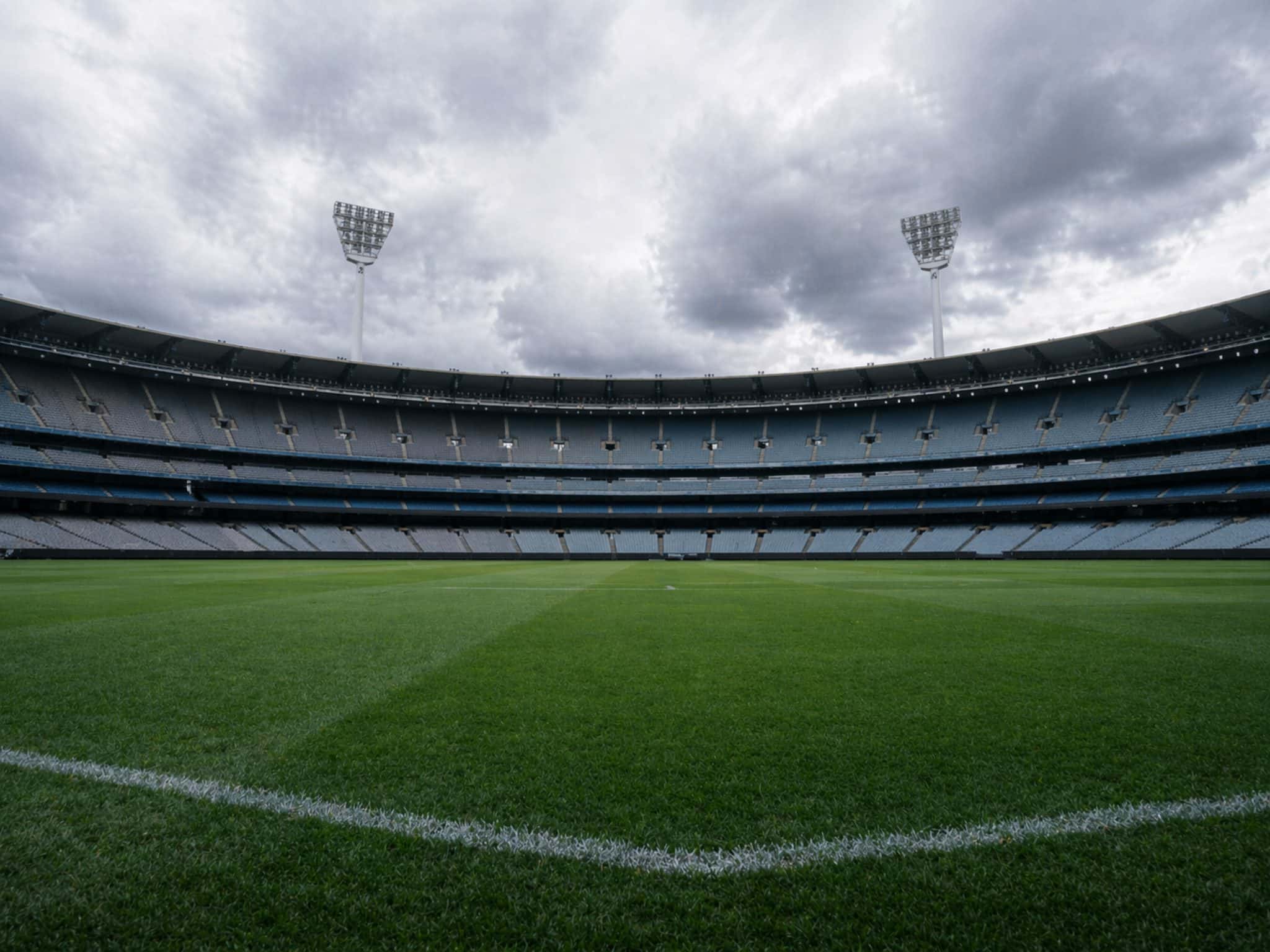
Wembley turns the FA Cup into a magnifying glass for any lapse in rest-defence. The neutral venue strips home‑field comfort, amplifies the roar, and forces both sides to fight for every metre of territory. When the game state turns wild, a momentary loss of shape in the defensive transition is instantly punished because there is no crowd‑driven inertia to hide it.
The Cup’s timeless truth — who can manage emotion, territory, and transitions — becomes a binary test at Wembley. Teams that keep their compact shape while pressing, or drop quickly to regain it, survive; those that hesitate concede chances that the stadium’s intensity turns into goals.
In the final, the margin for error shrinks further, and a single rest‑defence slip will be visible on the scoreboard. Watching how the two finalists maintain their defensive shape when the game swings will tell us whether the Wembley effect lives up to its reputation.
WHY IT MATTERS
The FA Cup’s unique pressure reveals a team’s psychological resilience and tactical flexibility, impacting future match preparations and player development beyond a single result.

Bukayo Saka
RW
England
Strengths
- ✓Versatility across wide positions
- ✓High pace and acceleration
- ✓Excellent crossing ability
- ⚠How does he perform under extreme pressure?
- ⚠Does his decision-making stay consistent in high-stakes games?
TACTICAL FIT
Teams need to structure defensive lines and transition play to mitigate emotional swings, ensuring composure in high-stakes moments at Wembley.
THE DEBATE
Should clubs prioritize mental training over tactical tweaks for FA Cup success?