
ONE TOUCH SUMMARY
- MUN faces TOT at Old Trafford, where control of second balls will be decisive.
- TOT must set precise plays to counter MUN’s emotional swings after the cup stops being neat.
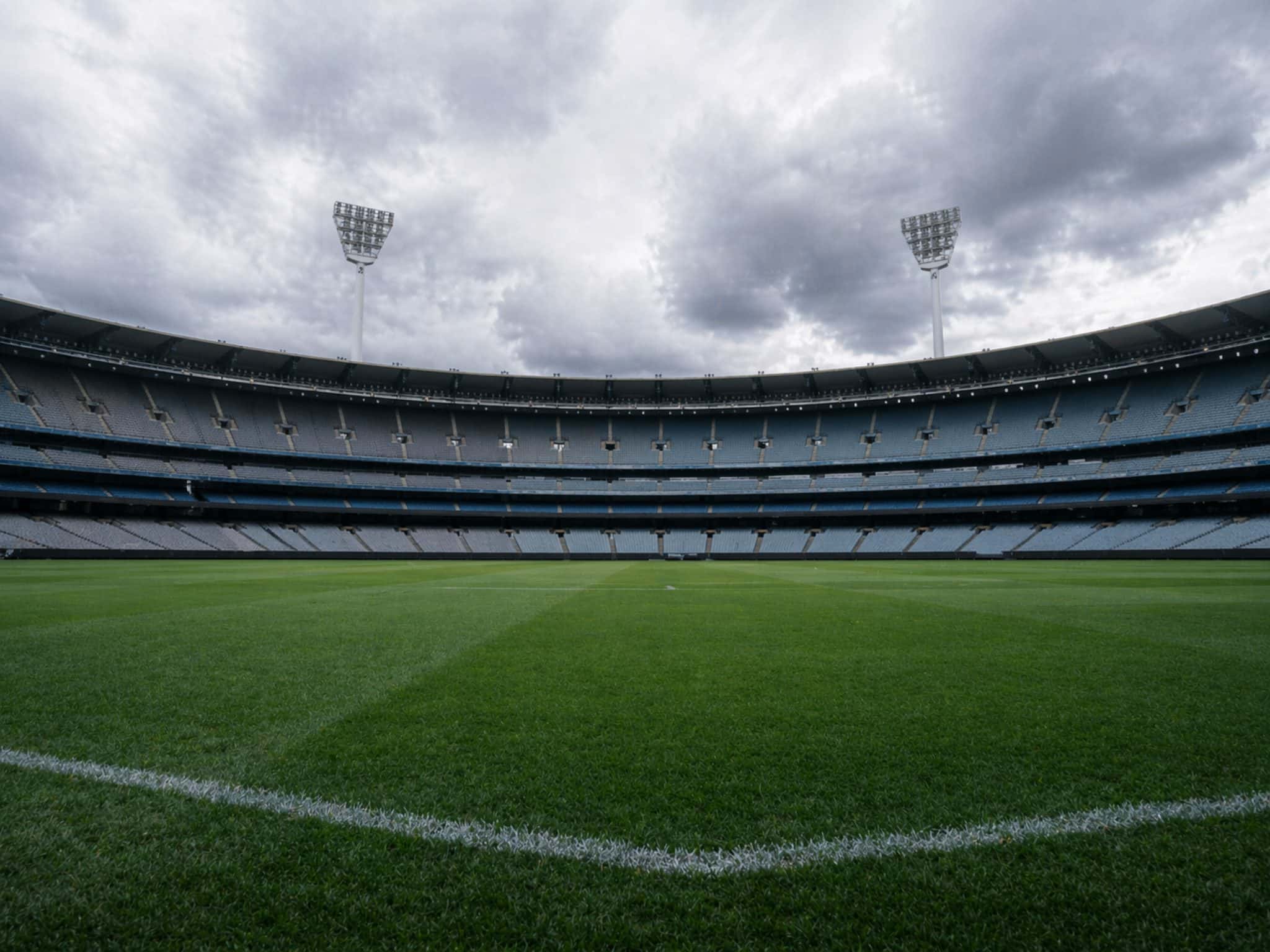
- Old Trafford’s atmosphere amplifies the tactical battle between MUN’s possession and TOT’s counter‑attacks.
ONE TOUCH INSIGHT
Old Trafford will host a quarter‑final that hinges on second‑ball control and set‑piece execution, not on individual brilliance. The side that wins the aerial duels and converts its chances from dead‑ball situations will dictate the tempo, because once the match stops being neat the emotional swings favor the team that can impose physicality and stay composed.
United’s midfield, anchored by a ball‑winning presence, looks to dominate the middle and launch long balls into the box, while Tottenham rely on quick transitions and the threat of a striker who can latch onto loose balls. If United win the first aerial challenge inside the box after the hour, they are likely to settle the game; if Tottenham snatch a set‑piece before the 60th minute, they can swing the momentum.
The telling moment will be the first set‑piece opportunity after the 60‑minute mark, revealing which side has the edge in the battle for second balls.
WHY IT MATTERS
The quarter‑final pits two contrasting styles, with Old Trafford’s setting offering a crucible for tactical mastery beyond mere possession and the ability to dictate play after the cup’s formal structure dissolves.

Bruno Fernandes
AM / CM
Portugal
TACTICAL FIT
MUN’s reliance on controlling second balls and emotional regulation will test TOT’s set‑play precision, making tactical adaptability crucial for both sides at Old Trafford and the capacity to exploit the cup’s relaxed structure.
THE DEBATE
Can MUN’s emotional control outweigh TOT’s set‑play precision at Old Trafford?