
ONE TOUCH SUMMARY
- Ireland wore black armbands, skipping handshakes before a 3-0 win over Israel.
- The team displayed disciplined performance in a contentious UEFA Nations League match.
- Ireland's victory came amid political gestures and tactical control on the pitch.
ONE TOUCH INSIGHT
Ireland’s 3-0 victory over Israel was less a tactical triumph than a statement of intent, framed by the refusal to engage in prematch handshakes. The decision to skip the customary ritual, while wearing black armbands, signaled that the squad viewed this Nations League fixture as a geopolitical assertion first and a footballing contest second. For a team often defined by its defensive resilience, the clean sheet and comfortable margin suggest the players channeled that collective tension into focused execution rather than distraction.
The result reinforces the idea that headspace drives performance in high-stakes, low-scoring environments. By removing the performative aspect of prematch interaction, the group created a unified front that likely tightened their defensive shape and accelerated their transitions. It is a rare instance where the dressing room narrative directly informed the on-pitch output, proving that psychological preparation can be as decisive as physical conditioning.
The next indicator of this shift in culture will be visible in the squad’s reaction to upcoming domestic league fixtures. If the same disciplined intensity persists against lower-tier opposition, it confirms a lasting change in mindset. If focus fractures when the political stakes vanish, the 3-0 win remains an isolated anomaly rather than a new standard.
WHY IT MATTERS
Ireland’s refusal to shake hands and wearing black armbands highlighted political tensions while demonstrating the team’s focus and resilience, reinforcing their standing in the Nations League and setting a precedent for future diplomatic gestures in sport.
TACTICAL FIT
The team’s disciplined approach and defensive organization enabled them to dominate Israel, allowing a clear 3-0 result that underlines their strategic emphasis on structure and collective effort.
THE DEBATE
Should teams use political gestures to influence match outcomes?
Multiple Authors
Sep 27, 2026, 07:39 PM ET
 Share
Share

The Republic of Ireland wore black armbands and skipped the typical prematch handshakes before securing a 3-0 victory over Israel in their contentious UEFA Nations League match Sunday.
The game had faced bitter opposition in Ireland over Israel's actions in Gaza.
The Irish players looked down at the grass with their hands behind their backs during the playing of the Israeli national anthem, and Irish captain Dara O'Shea approached the center of the field for the prematch talk with his hands still firmly clasped behind his back.
O'Shea shook hands with the referee and his assistants, but there was no attempt to shake the hand of Israel captain Manor Solomon.
"By playing we are making some people unhappy," Ireland coach Heimir Hallgrímsson said in his postgame news conference. "By playing we are making others happy. I think winning probably pleases everyone, but there will be still angry people that we played the game."
Reserve goalkeeper Gavin Bazunu decided Saturday to boycott both of Ireland's games against Israel because of what he said was his "personal belief that the killing of innocent people is wrong."
The Republic of Ireland players bowed their heads during the Israeli national anthem.Stephen McCarthy/Sportsfile via Getty Images
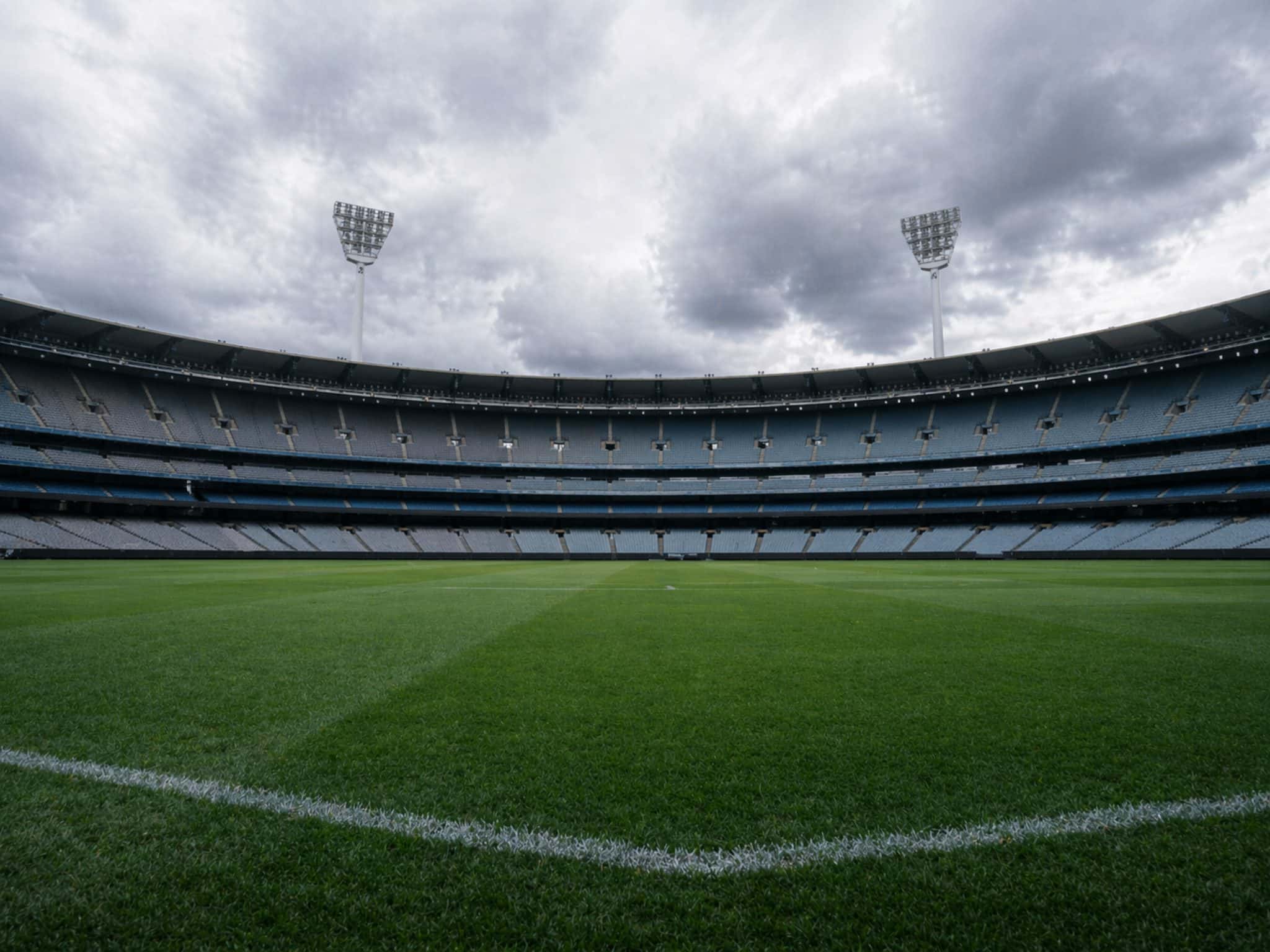
There was a small group of Israeli fans in the otherwise almost-empty stadium in Debrecen, Hungary, but an even smaller group of around 10 people without colors was celebrating when Troy Parrott broke the deadlock in the 13th minute.
There weren't supposed to be any Irish fans present. Some Ireland supporters who got tickets through the Israeli soccer federation told Irish broadcaster RTÉ that those had been canceled Saturday night.
Adam Idah made it 2-0 three minutes after Parrott's opener, and Jack Moylan got the third goal in the 25th.
Moylan celebrated his goal by kissing and raising his black armband before kissing his badge.
Hallgrímsson said the game concluded what had "probably been the toughest days of my coaching career."
He added: "But it's not about me. I think the game, the desire the players showed to make a statement on the pitch -- they are football players, they wanted to show on the pitch, make that talking with their feet."
Ireland needed goalkeeper Caoimhín Kelleher at his best to deny Israel after the break, and tempers became frayed around the hour mark after a clash between Idah and Raz Shlomo. German referee Harm Osmers gave both players yellow cards.
Israel coach Ran Ben Shimon said his team "didn't handle the pressure well."
"I know exactly who I am, who are my people, who are my players, what are we going through," he added. "I know the truth, so I don't feel uncomfortable. I think that sometimes in sport you want too much and you're blocked. I think things affect us. We have to check why [they] affect us negatively instead of positively. We didn't fight in the football matters. We failed in all the football parameters. Nothing else."
Israel forward Saied Abu Farchi was suspended for the game after receiving a red card following his goal celebration in Thursday's 3-1 loss to Austria.
Ireland and Israel meet again Oct. 4 in Ireland's "home" game in Backa Topola, Serbia.
The Associated Press and PA contributed to this report.
AI-assisted · generated from ESPN FC reporting, not editor reviewed